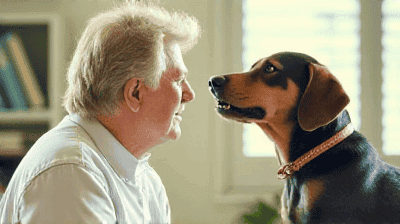
Pets are an integral part of many families, providing companionship, love, and valuable life lessons for children. However, communicating with pets isn’t as straightforward as talking to humans. Pets rely heavily on body language to express their feelings, needs, and boundaries. Teaching your child to read a pet’s body language is an essential skill that can prevent misunderstandings, reduce the risk of accidents, and foster a deeper bond between your child and their furry friend.
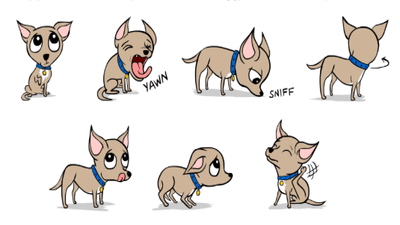
Pets are an integral part of many families, providing companionship, love, and valuable life lessons for children. However, communicating with pets isn’t as straightforward as talking to humans. Pets rely heavily on body language to express their feelings, needs, and boundaries. Teaching your child to read a pet’s body language is an essential skill that can prevent misunderstandings, reduce the risk of accidents, and foster a deeper bond between your child and their furry friend.
Why Teaching Children to Read Pet Body Language Matters
Understanding a pet’s body language is crucial for safe and positive interactions. Misreading a pet’s signals can lead to stress, fear, or even aggression, which can result in injuries for both the child and the pet. By teaching your child to recognize and interpret these signals, you can help them develop empathy, respect, and a deeper connection with their pet. Additionally, this skill can boost your child’s confidence as they learn to navigate the complex world of animal communication.
Benefits of Teaching Kids to Read Pet Body Language
- Prevents Accidents: Recognizing warning signs can help children avoid situations that might lead to bites, scratches, or other injuries.
- Builds Empathy: Understanding a pet’s feelings fosters compassion and empathy in children, helping them become more considerate and caring individuals.
- Strengthens the Bond: When children can interpret their pet’s signals, they are better equipped to meet their needs, which strengthens the bond between them.
- Promotes Responsible Pet Ownership: Teaching children to read pet body language is an important aspect of responsible pet ownership, as it ensures the pet’s well-being is prioritized.
- Enhances Communication Skills: Learning to interpret nonverbal cues can improve a child’s overall communication skills, both with animals and humans.
Step by Step Guide to Teaching Your Child to Read Pet Body Language
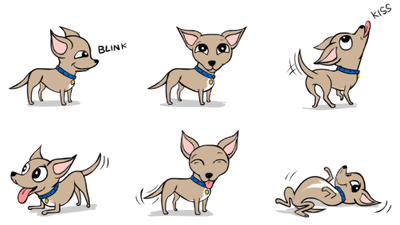
Teaching your child to read a pet’s body language involves breaking down the process into manageable steps and using age-appropriate explanations. Here’s a step-by-step guide to help you get started:
Step 1: Start with Basic Animal Communication Concepts
Before diving into specific body language cues, it’s important to help your child understand the basics of animal communication.
Explain How Animals Communicate
- Verbal vs. Nonverbal Communication: Explain that animals communicate mostly through body language, facial expressions, and vocalizations, unlike humans who use words.
- Purpose of Communication: Teach your child that animals use body language to express feelings, needs, and boundaries, such as fear, happiness, or the desire to be left alone.
Use Simple Analogies
- Compare to Human Emotions: Use simple analogies to help your child understand animal emotions. For example, explain that a wagging tail in a dog is like a smile in humans, while a tucked tail might indicate fear or discomfort.
Step 2: Teach the Basics of Pet Body Language
Once your child understands the concept of animal communication, introduce them to the basic body language cues of the specific type of pet you have.
Dogs
- Happy: A relaxed posture, wagging tail, and a soft, open mouth.
- Scared: Cowering, tucked tail, flattened ears, and avoiding eye contact.
- Aggressive: Stiff posture, raised hackles, bared teeth, and direct eye contact.
- Playful: Bouncy movements, play bow (front legs lowered, rear end up), and wagging tail.
Cats
- Happy: Relaxed posture, slow blinking, and a gently swishing tail.
- Scared: Arched back, puffed-up fur, and hissing or growling.
- Aggressive: Ears flattened, tail thrashing, and dilated pupils.
- Playful: Pouncing, stalking, and chasing toys.
Small Animals (Hamsters, Rabbits, etc.)
- Content: Relaxed posture, grooming, and exploring their environment.
- Scared: Freezing in place, hiding, or rapid breathing.
- Aggressive: Biting, lunging, or thumping their feet.
- Playful: Hopping, running, or chewing on toys.
Step 3: Use Visual Aids and Examples
Children often learn best through visual aids and real-life examples. Use these tools to help reinforce the lessons about pet body language.
Books and Videos
- Pet Behavior Books: Read age-appropriate books about pet behavior and body language together. Look for books with illustrations or photos that show different emotions.
- Educational Videos: Watch videos that demonstrate pet body language cues, such as how a dog wags its tail when happy or a cat flattens its ears when scared.
Observational Learning
- Watch Your Pet Together: Spend time observing your pet together and point out different body language cues as they occur. For example, if your dog wags its tail when you come home, explain that this is a sign of happiness.
- Role-Playing: Use role-playing to help your child practice interpreting body language. Pretend to be a pet and act out different emotions, asking your child to guess how you’re feeling.
Step 4: Teach Your Child How to Respond
Understanding body language is only half the battle; it’s also important to teach your child how to respond appropriately to their pet’s signals.
Encourage Gentle and Calm Behavior
- Respect Boundaries: Teach your child to respect their pet’s boundaries. For example, if the pet moves away or shows signs of fear, your child should give them space.
- Use Gentle Touch: Show your child how to pet their animal gently and avoid rough handling or pulling on fur, ears, or tails.
Positive Reinforcement
- Reward Positive Interactions: Encourage your child to reward their pet for calm and friendly behavior with treats, praise, or gentle petting.
- Avoid Punishment: Teach your child that punishment, such as yelling or hitting, is not an appropriate response to unwanted behavior. Instead, they should focus on reinforcing positive behaviors.
Step 5: Practice and Reinforce Learning
Like any skill, learning to read pet body language takes practice and reinforcement. Here’s how to help your child continue developing this skill over time.
Regular Check-Ins
- Ask Questions: Regularly ask your child how they think their pet is feeling based on their body language. This encourages them to observe and think critically.
- Discuss Observations: Have conversations about the pet’s behavior and body language, reinforcing what your child has learned.
Role of Consistent Supervision
- Supervise Interactions: Always supervise interactions between young children and pets, especially as your child is still learning. This ensures safety and provides opportunities for guidance.
Step 6: Address Common Challenges
Teaching your child to read pet body language can come with challenges, such as misinterpretation or frustration. Here’s how to address these issues:
Misinterpretation of Signals
- Clarify Mistakes: If your child misinterprets a signal, calmly correct them and explain the correct meaning. For example, if they think a cat’s swishing tail means it’s happy, explain that it could indicate irritation.
- Revisit Tips: Revisit the lessons and visual aids if your child consistently struggles with certain signals.
Frustration or Fear
- Encourage Patience: Remind your child that learning to read pet body language takes time and practice. Encourage them to be patient with themselves and the pet.
- Create a Safe Environment: If your child feels scared or frustrated, create a safe space where they can step back and observe without pressure.
Tips for Teaching Kids of Different Ages
Teaching children to read pet body language will vary depending on their age and developmental stage. Here are some age-specific tips:
Toddlers (2-4 Years)
- Use simple explanations and visual cues to teach basic emotions, such as "happy" or "scared."
- Supervise all interactions closely and use gentle reminders to be kind to the pet.
Preschoolers (4-6 Years)
- Introduce more detailed body language cues and use role-playing to reinforce learning.
- Encourage your child to participate in pet care tasks, such as feeding or gentle grooming.
Elementary School Kids (6-10 Years)
- Teach more advanced body language cues and discuss the reasons behind certain behaviors.
- Encourage your child to observe and interpret their pet’s body language independently.
Tweens (10-12 Years)
- Discuss the science behind animal communication and how it differs from human language.
- Encourage your child to take a more active role in training and caring for the pet.
Teens (13+ Years)
- Involve your teen in advanced pet training and behavior modification.
- Encourage them to research and learn more about animal behavior and communication.
Conclusion
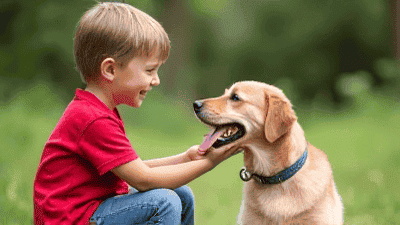
Teaching your child to read a pet’s body language is a valuable skill that promotes safety, empathy, and a deeper bond between your child and their furry friend. By breaking down the process into simple steps, using visual aids, and practicing regularly, you can help your child become a confident and responsible pet owner. Remember that learning takes time and patience, so be supportive and encouraging as your child develops this essential skill. With the right guidance, your child and pet can enjoy a lifelong relationship built on understanding and mutual respect.